 Patrol blind spots and late warnings
Risk points are scattered. People cannot cover 7×24. Violations are found too late and can become incidents.
 StoneDT

 Customer background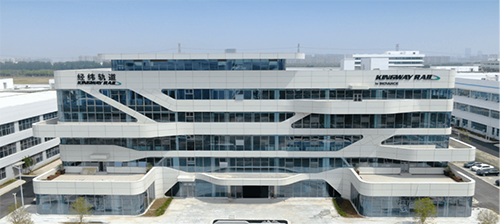
A rail-equipment manufacturer in Jiangsu with modern shops, large warehouses and lifting bays, plus heavy cranes and automated lines. Daily work covers heavy lifts, welding, work at height and maintenance. Traffic is high, equipment is dense, and hazards are scattered. Manual patrols leave blind spots, late alerts, slow response and no proof of violations.
After AI vision EHS went live, high-risk zones are watched around the clock—missing helmets, restricted-area entry, unsafe climbing, lifting violations and people leaving posts. Millisecond alerts trigger on-site response. Violation rates on high-risk jobs dropped, and safety moved from after-the-fact tracing to prevention.
 Pain points Patrol blind spots and late warnings
Risk points are scattered. People cannot cover 7×24. Violations are found too late and can become incidents.
No digital proof of violationsNo auto capture or quantified hazard data. Traceability, scoring and corrective action lack evidence.
Split scenes, high labor costPPE, zones, lifting and hot work are managed in silos. No unified platform, slow response.
 Solution
Deploy StoneDT Video Guard EHS algorithms: PPE compliance, restricted-area intrusion, off-post detection, fall alerts, smoke/smoking, and abnormal lifting plus people under the load. Coverage spans people, environment and equipment, 7×24, across shops, warehouses and lift bays.
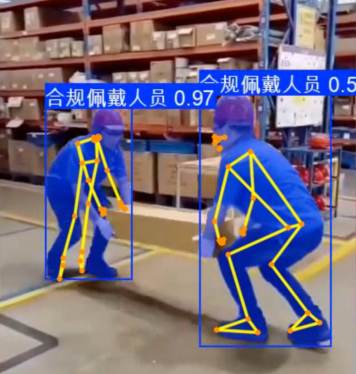
PPE detection
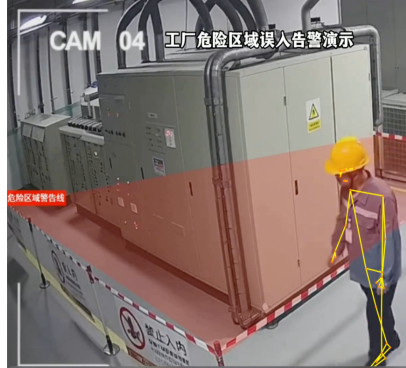
Zone entry detection
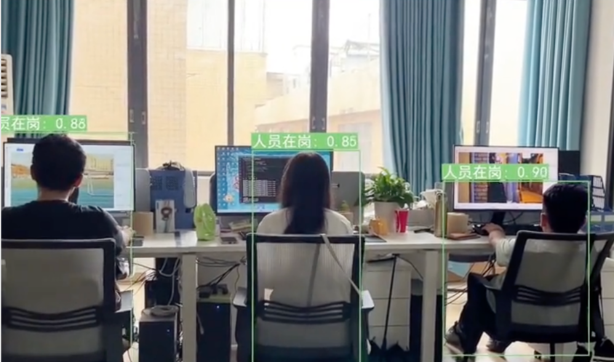
Absence / sleeping on duty
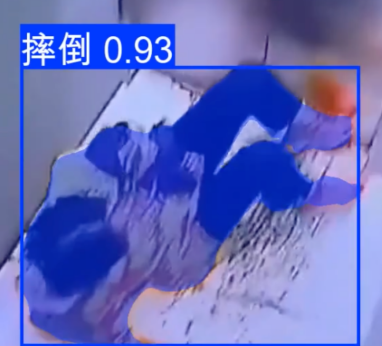
Abnormal behavior
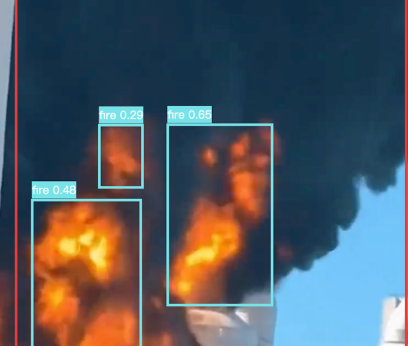
Open flame and smoke
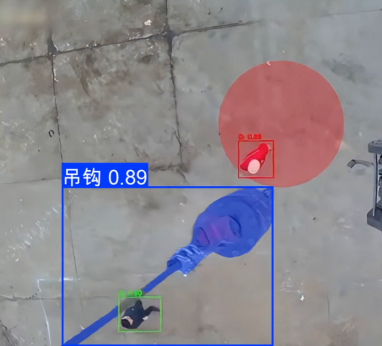
Equipment risk
Violations trigger pop-up and sound/light alarms, with snapshots on file and a unified alert ledger and safety dashboard. Corrective actions are tracked to close. Daily counts, hot scenes, people and time windows feed multi-dimension reports for decisions and scoring—raising compliance and cutting incident risk.